






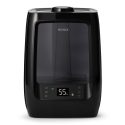
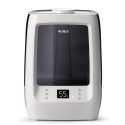




This time of year brings a lot of things we love, like cozy sweaters, curling up by the fireplace, and quality time with friends and loved ones. It also comes with frigid temperatures that we try desperately to avoid, so it’s more than likely you have your heating units running…on high. Although the heat offers a necessary refuge, it also causes dry air. Inevitably, where there’s dry air, there’s dry skin. The only thing more uncomfortable and painful than dry skin is dry, chapped lips. The solution? A humidifier.
Chapped lips, also known as cheilitis, is the result of dry skin on your lips due to cold temperatures, dry weather, sun exposure, allergies, frequently licking or touching your lips or dehydration. The Cleveland Clinic explains that the skin on your lips is thinner and more sensitive than the skin on the rest of your body because your lips don’t contain any oil glands. As a result, they are at risk of becoming dry and chapped. Your lips are exposed to the elements more than the rest of your body and can become chapped. Chapped lips are caused by a disruption of the outer skin layer. When this happens, it can cause your lips to peel, itch, crack, bleed, and appear red. Chapped lips can be painful and both the feel and appearance of them are something we all want to avoid.
By the time your lips are chapped, they’re in desperate need of moisture. To begin their repair, it’s important to redeliver their lost hydration. When the air around you is dry, the moisture in your skin evaporates. This causes your skin to be less likely to hold onto new moisture. The Cleveland Clinic suggests that chapped lips can be treated and prevented at home by using a humidifier to prevent dry air. Introducing a humidifier to your space restores lost moisture in the air around you, thereby restoring moisture to your lips. Like the rest of your skin, your lips also require a healthy level of humidity to remain hydrated. The right humidifier will regulate and maintain a proper humidity level inside your home.
While you might be tempted to crank the humidity up to ease your chapped lips, it’s important to know that humidity levels that are too high can adversely affect the skin and do more harm than good. The proper humidity level recommended for a home is between 40% and 60%. The exact humidity percentage you leave your home at is a personal preference, however, humidity that’s too low or too high comes with risk. When too much moisture is present in the air, skin fungus can grow, athlete’s foot can form, and atopic or allergic dermatitis can flare. When humidity levels inside your home are too low, you may experience respiratory issues such as dry cough, wheezing or the exacerbation of preexisting respiratory troubles. Maintaining a proper humidity level in your home is one of the most proactive steps you can take in healing and preventing chapped lips.
Having moisture present in the air is a wintertime necessity. Humidifiers help lock in your skin’s natural moisture, leaving you to see and feel the difference all season long.
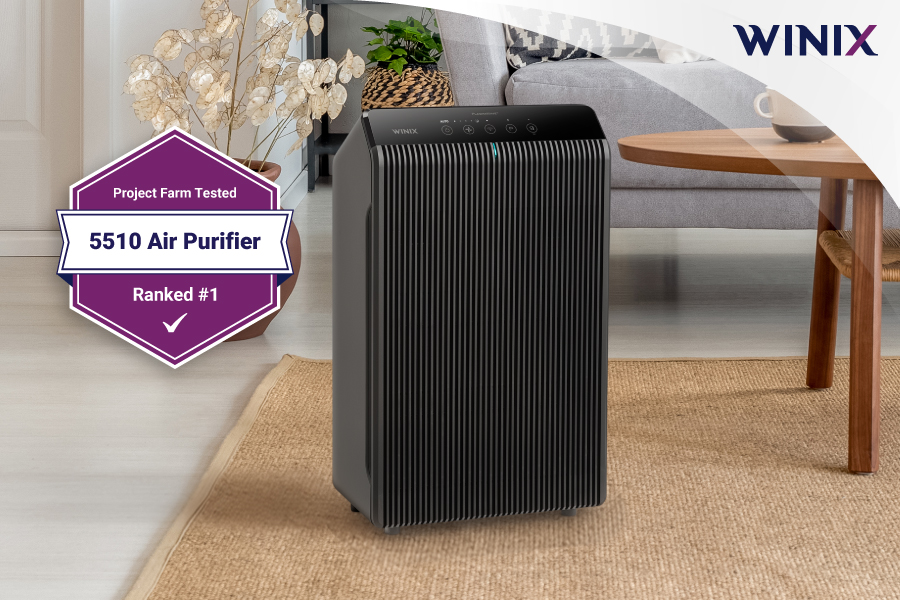
Winix 5510 Air Purifier Ranked #1 in Project Farm Air Purifier Test
The Winix 5510 Air Purifier was recently featured in a video by Project Farm. In the video, the 5510 outperformed other air purifiers tested, securing the top spot. Watch the full comparison below to see how the Winix 5510 performed during testing. Why the Winix 5510 Is a Popular Choice The Winix 5510 is designed…

Winix Expands Wildfire Relief Efforts with Air Purifier Donations
As wildfires continue to impact air quality across California, Winix America is stepping up to support communities in need. Through donations of air purifiers to Vintage Church Pasadena and The Dream Center in Los Angeles, we aim to provide cleaner indoor air for individuals and families affected by hazardous smoke and airborne pollutants. Helping Communities…
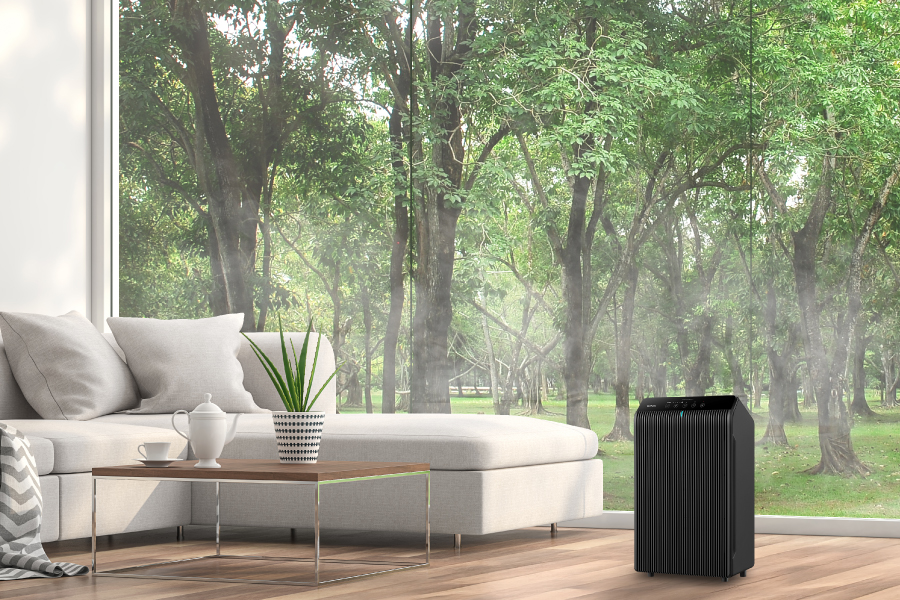
Protect Yourself and Family from Wildfire Smoke
As wildfires continue to wreak havoc across Los Angeles, it’s imperative that we know how to protect ourselves and our loved ones from lingering smoke. Wildfire smoke is a health hazard that not only impacts outdoor air, but easily makes its way inside and worsens our indoor air quality too. We’ve put together a list…

A Letter from our President: Celebrating 50 Years of Clean, Quality Air
This year marks the 50th anniversary of Winix, and we wish to pause to not only celebrate this milestone that few companies achieve, but to also reflect on the lessons received along our journey. It has never been enough for Winix to simply be good at what we do, we aspire to be the best. …
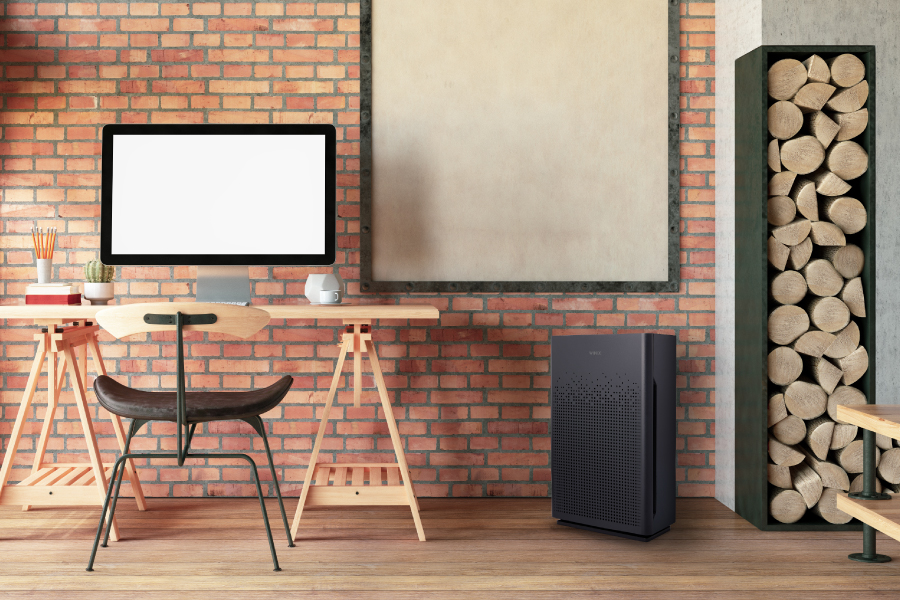
Winix: The Clean Air Coworker
No matter if you work remotely, hybrid or in an office setting – the quality of air you breathe is very important. Last year, many Americans began heading back into the office and new methods were put in place to ensure a safer environment for employees. What was new is now the standard for many…

Ozone: A Fresh Perspective
Whether you own an air purifier or are currently shopping around for one, you’ve more than likely heard about air purifiers that produce ozone. There’s been a long-standing debate regarding what is considered safe levels of ozone within the home. While we are all exposed to naturally occurring ozone, having a machine in your home producing it seems like a scary notion. What you…

Winix: A Suggestion for Less Congestion
If you’re fighting the flu or a simple cold, congestion can be downright miserable; you don’t feel or sound quite like yourself. On the trek back to a less stuffy version of yourself, consider adding a humidifier to your ‘get better’ routine. Congestion occurs when the nasal tissues become swollen. This swelling is caused by…
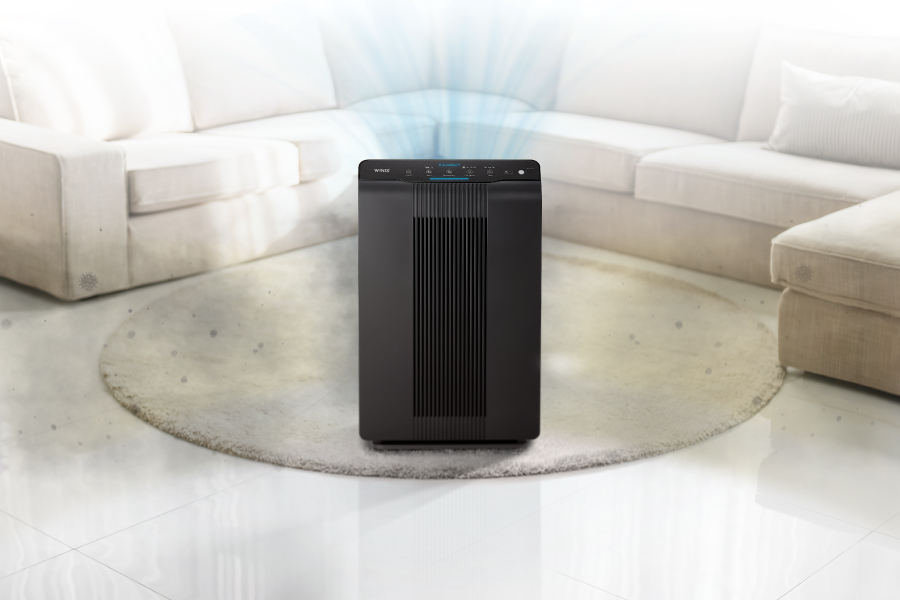
Eliminate Basement Odor with Winix
Stale, dank, musty – basements get a bad rap sometimes. The stuffiness you may experience could be described as stale air that causes an odor called must. This smell covers a mix of basement “scaries” such as mold, dust, VOCs, and stagnant air. Basements tend to lack airflow, which is an invitation to odors, until…